Watch · Tech Breaking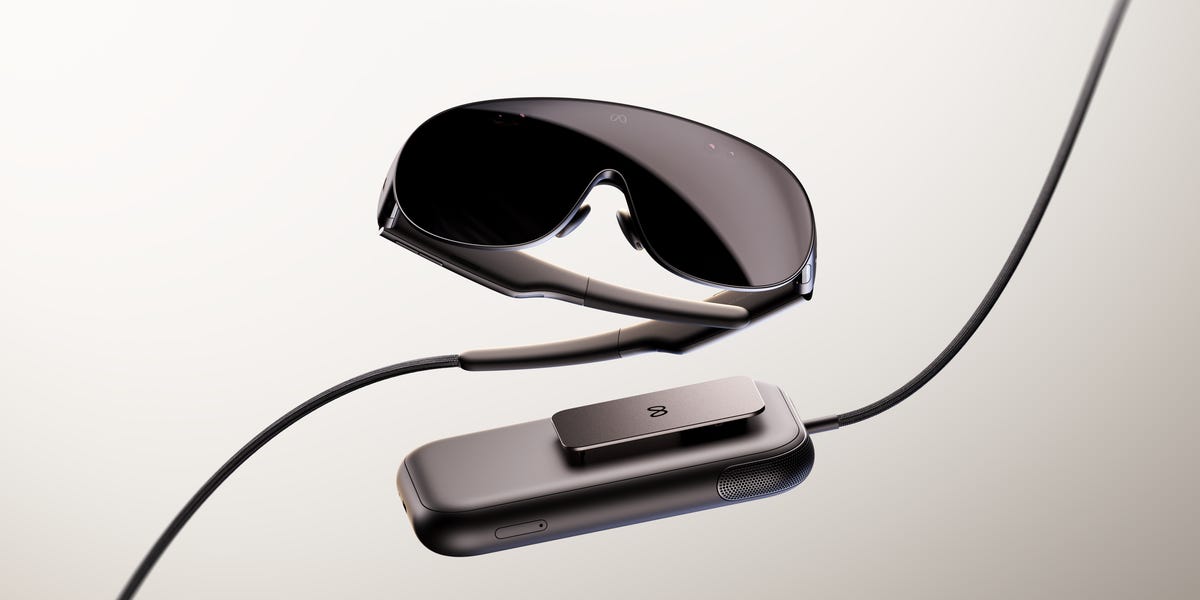
By Dan DeFrancesco You're currently following this author! Click to unsubscribe from email alerts. Meta's VR Glasses are connected to a battery puck.
Meta Meta's looking to make virtual reality a reality ... again. The tech giant unveiled a new version of its virtual reality glasses at its annual developers conference, Meta Connect. Before you panic that you've traveled back in time, this isn't quite the same metaverse Mark Zuckerberg was pitching back in 2021.
The goal of replacing the hardware in your pocket, though, remains the same. More on that in a bit. Meta VR Glasses, which go on sale next spring, are a far cry from the bulky headsets we typically associate with virtual reality. (I'm looking at you, Apple Vision Pro .) Weighing in at a svelte 100 grams and costing $1,300, Meta VR Glasses are much lighter and cheaper than the Apple Vision Pro, which weighs 600 grams and costs $3,700.
But don't take my word for it. BI's Peter Kafka took them for a test drive. He said the difference between Meta VR Glasses and Apple's Vision Pro is immediately noticeable.
But, like the Apple Vision Pro, he also struggled to think of many reasons to use them regularly. Read his full review here . The VR glasses weren't the only thing Meta showed off at the event.
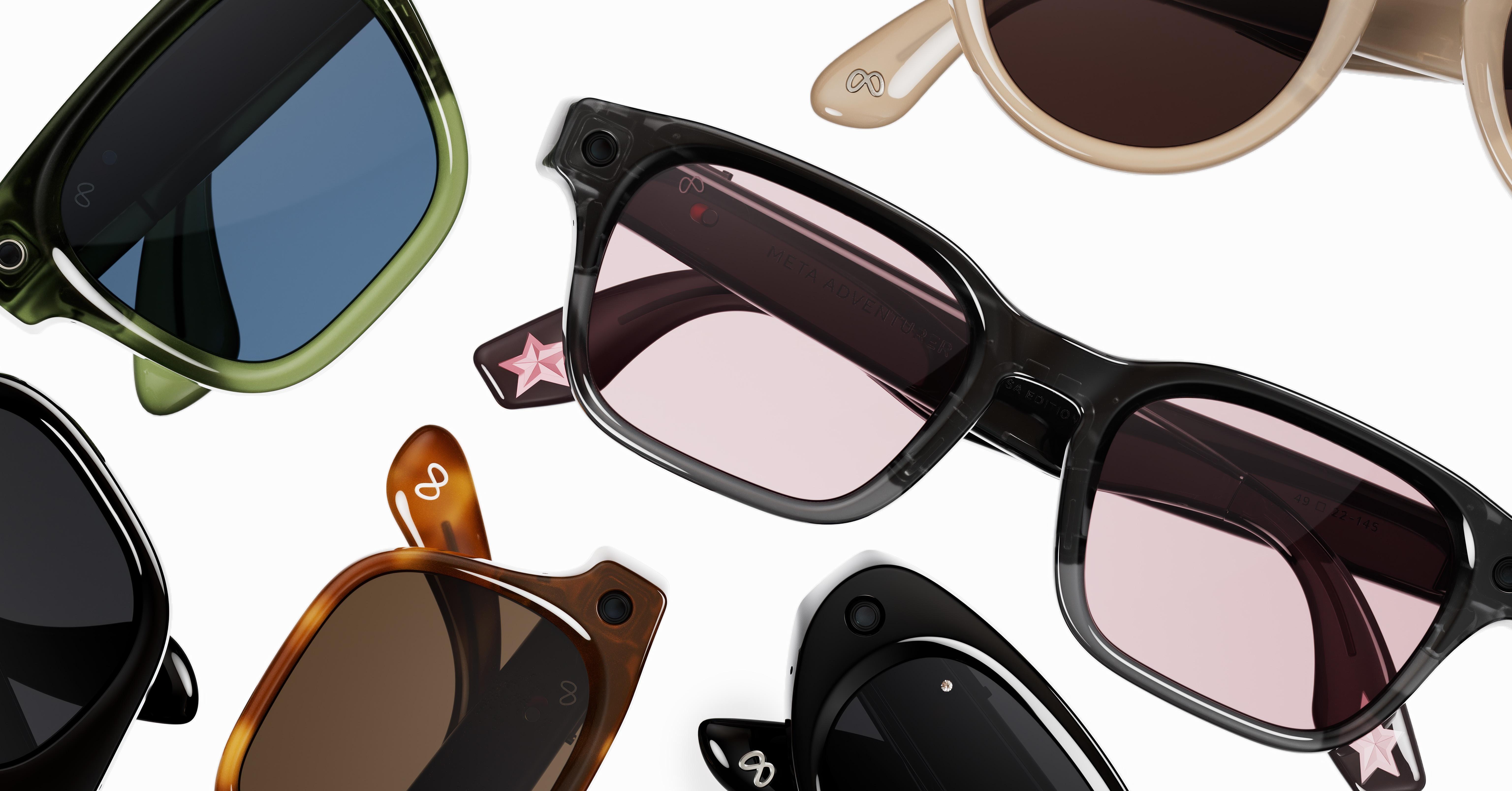
There was also an update on Meta's somewhat controversial AI glasses , as well as new partnerships with Disney and others to boost entertainment options on its new gadgets. Here are all the highlights from the event . Meta's betting on a future where people won't default to their phones.
Muse , Meta's buzzy new personal AI agent, is deeply integrated into the new VR glasses and also got its own palm-sized device users can speak into. It's called Charm , and should be ready to ship for the holidays. It's another way Meta can pull you deeper into its ecosystem, and away from your iPhone.
Ideally, Zuckerberg would love for users to remain in a Meta-exclusive world: wearing Meta VR Glasses while interacting with Muse, scrolling Instagram and Facebook, and chatting with friends on WhatsApp. He's not alone. The fact that so many of us live on our iPhones is a major bummer to tech companies since it gives Apple an incredible advantage.
Currently, Apple doesn't need to stress too much about AI because companies still rely on the iPhone to get their fancy AI products to consumers. It's like running the only toll bridge over a river that sits between two major cities. Even if the road isn't great, or it gets a lot of traffic, it's still the only way to get to where you need to go. (Yes, green-bubble people , Android means there are two bridges over the river.
But Apple still holds the majority of the US market share.) AI is such a revolutionary technology that it's viewed as an opportunity to rethink things and find a new path other companies can completely control. Why take the bridge when you can build your own flying cars? Just look around.
AI startups are pitching "friends" you can wear around your neck . OpenAI hired Apple design legend Jon Ive and is encouraging people to change how they use their phones . Meta is returning to the VR well after having already sunk $80 billion into it .
It's not easy — blazing new trails never is— but there's too much money at stake not to try. The rub, as always, will be getting people to buy in. Users bring developers who'll build apps to grab the audience's attention.
But people only come if there is cool stuff to do, and developers are only willing to spend time building if there are people there to use it. Even Apple, the king of hardware, had trouble navigating this with the Vision Pro . Meta could run into the same issues.
Peter said he doesn't see many immediate uses for the glasses. So that rectangle you're probably reading this newsletter on is safe. At least, that's the reality for now.
Dan DeFrancesco You're currently following this author! Click to unsubscribe from email alerts. Newsletters Newsletter
Source: Business Insider